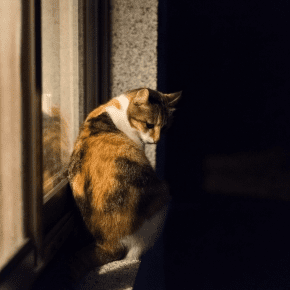
Winter Evening Safety Tips for Cats in Lancashire
November 7, 2025


As the clocks go back and evenings get darker earlier, outdoor cats in Lancashire face increased risks during winter nights. From traffic hazards to cold-related health concerns, it’s important for cat owners to take extra precautions to keep their feline friends safe and comfortable.
Is your cat’s microchip up to date with the right contact details?
Book a nurse appointment at Rowan Vets to check for accuracy and ensure that your feline friend can be returned if they’re found wandering this winter.
Visibility matters
One of the biggest dangers for cats in winter is reduced visibility. Drivers around Lancashire may struggle to see animals crossing roads in the dark, especially in poor weather. Consider using a reflective collar with a quick-release safety mechanism to help your cat stand out.
Road safety and curfews
If your cat is used to roaming freely, you might want to limit outdoor time to daylight hours during winter where possible. Encouraging your cat to stay indoors after dark can significantly reduce the risk of accidents. Gradually adjusting their routine with feeding times and play can help ease the transition. Forcing cats to stay in can actually cause them stress though, so it’s important to follow your cat’s cues.
If your cat is involved in an accident, you can call us immediately on 01772 639 800 – here’s our emergency vet service information.
Cold weather concerns
Cats are generally resilient, but prolonged exposure to cold and wet conditions can lead to hypothermia, frostbite or respiratory issues. Make sure your cat has access to a warm, dry shelter if they spend time outside. Our vets at Rowan Vets advise that outdoor shelters should be insulated, raised off the ground and protected from wind and rain.
Hazards in the environment
Winter brings hidden dangers like antifreeze spills, which are highly toxic to cats, and gritted roads, which can irritate paws. Check your driveway and paths for any harmful substances and wipe your cat’s paws when they return indoors.
Indoor enrichment
If your cat is spending more time inside, our vets advise that you can keep them mentally stimulated with toys, climbing spaces, and interactive play. This helps prevent boredom and encourages healthy behaviour, especially for cats adjusting to reduced outdoor time.
Final thoughts
Winter nights can be risky for adventurous cats, but with a few thoughtful changes, you can keep them safe and happy. Whether your cat is a seasoned explorer or a cosy homebody, a little extra care goes a long way during the darker months.
Remember to schedule a visit with our veterinary nurses at Rowan Vets to make sure your cat’s microchip contact information is correct. This can increase the chance of helping your feline friend find their way back home if they go missing this winter.
Before you go, help keep other cats safe in Lancashire by screenshotting and sharing our top tips checklist!
Screenshot & Share: Winter Safety Checklist for Outdoor Cats
- Reflective, quick-release collar
- Microchipped and details up to date
- Limit outdoor time after dark
- Provide warm, dry outdoor shelter
- Check for antifreeze or grit on paths
- Wipe paws after outdoor trips
- Keep fresh water available
- Offer indoor enrichment and play