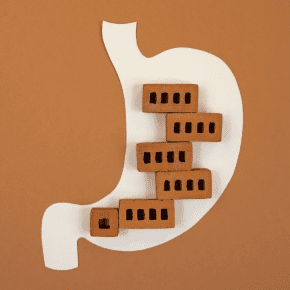
How to Alleviate Constipation in Dogs, Cats and Other Pets
August 14, 2025


Is your pet struggling to poo? Constipation is a common problem, especially in cats, older dogs, and pets with underlying health conditions. While the odd slow-motion toilet trip isn’t always a worry, ongoing constipation can be painful and sometimes a sign of something more serious. Below, our Vet Ruth Mackay explains why pets can become constipated and how you can help.
Concerned? Book a check-up today at our vet practice in Preston.
What is constipation?
Constipation means your pet is having difficulty passing stools. They might strain, go less often than usual, or pass very hard, dry poos. In more serious cases, they may stop going altogether.
Which pets are most affected?
Ruth explains that constipation can affect any animal, but it’s particularly common in:
- Older pets: Especially if they have arthritis or less mobility
- Long-haired cats: Who may ingest more hair during grooming
- Pets on certain medications: Like painkillers or antihistamines
- Animals with underlying conditions: Including kidney disease or dehydration
Why do pets get constipated?
There are lots of possible triggers for constipation in pets. Common causes include:
- Not drinking enough water
- Swallowing fur, bones or foreign objects
- Obesity or lack of exercise
- Stress or changes in routine
- Pain when squatting, such as from arthritis or injury
What helps with mild constipation?
Ruth confirms that if your pet is otherwise well and only occasionally affected, you can try:
- Encouraging more water – adding water to food can help
- Grooming long-haired pets to reduce swallowed hair
- Gentle exercise to get things moving
- A high-fibre diet (ask our vets at Rowan Vets before switching foods)
When to worry
You should book a vet check at Rowan Vets if:
- There’s no poo for more than 48 hours
- Your pet is straining with no result
- You see vomiting, lethargy or signs of pain
- The constipation keeps coming back
Constipation may be a simple fix for some pets, but it can also signal a blockage or illness. Our vets in Preston are here to help work out what’s going on and get things back on track.
Do rabbits get constipated?
Yes, rabbits can become constipated, but it’s often a sign of a more serious condition called gut stasis, where their digestive system slows down or stops completely. Ruth stresses that this is a medical emergency and needs prompt vet care from our team at Rowan Vets.
Signs include very few or no droppings, not eating, a bloated tummy, and signs of pain like tooth grinding or lethargy. Common causes include low fibre intake, pain, stress or illness. To help prevent it, make sure your rabbit has constant access to hay, drinks plenty of water, and gets regular exercise. If your rabbit hasn’t eaten or pooed in 8–12 hours, contact your vet straight away.
If you’re worried your pet may be constipated, book a check-up today at our vet practice in Preston.