Parasites and your pet – Worms
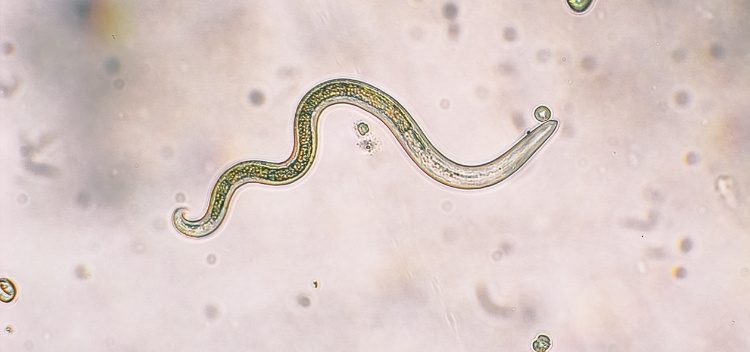
Tapeworm – There are several ways in which your pet can catch tapeworm but the most common is ingesting infected fleas when they groom. They can also become infected through contaminated faeces from other animals. Tapeworm can also infect humans.
Roundworm – Puppies have the highest risk of getting roundworm and can become very ill very quickly. They can get them from their mother if she is infected but can also be caught from infected faeces or by eating infected small animals such as mice.
The cycle of a roundworm is an interesting one. After your dog swallows the eggs, they hatch and turn into larvae. The larvae then spread through your dog’s liver and up to their windpipe. The dog coughs and then swallows the larvae, making their way into the dog’s intestine where they grow into adult worms who then lay their own eggs which are pooped out, continuing the cycle.
Lungworm – dogs catch this parasite by either eating or playing with slugs and snails. They can also catch the eggs from the slimy trail they leave behind which could be on grass, water bowls or toys. This parasite can’t be passed from pet to pet but lungworm larvae are spread through the dog’s poop which is then picked up by slugs and snails.
What are the symptoms?
Some symptoms of lungworm are:
- Coughing due to the presence of worms in the lung area.
- Blood in the urine or vomit.
- Severe reddening around the eye area.
- Breathing problems.
- Tiring easily.
- Weight loss.
How does my pet get worms?
Your pet can get worms in many different ways. Click on the links below to show some of these ways:
For more information on these parasites, download our leaflet on worms and if you need to order your products, call the team on 01772 639800 OR 01253 766352 or request and pay for products through PetsApp.
Talk to our team about how often you should worm your pet – get in touch.
#rowanvets #vetsinpreston #vetsinblackpool #vetsinlytham #vetsinkirkham #vetsinwarton #vetsinfreckleton #welovecats #welovedogs #healthypets #parasites #lungworm #tapeworm #roundworm

Is your cat overweight?
Dogs are not the only pet that can struggle with their weight. #didyouknow that 44% of cats in the UK are considered to be overweight or obese? Sharing is definitely not caring when it comes to giving your kitty human tidbits. #didyouknow feeding your cat just 1oz of cheese as a treat is the calorie equivalent to giving him or her 3 chocolate bars?

Extra weight not only affects your cat’s day to day life but also their long-term health. Those extra pounds can cause additional health issues for your cat such as diabetes, osteoarthritis and heart disease. The hardest step an owner takes is to acknowledge that their cat is overweight, but we are here to help.
How can I tell if my cat is overweight?
If the extra weight is subtle, it can be difficult to know if your cat is overweight. Check out our quick guide to help identify if your cat is carrying some extra pounds.
Watch this sweet, short film on how sometimes we show our love for our feline friends through food. By taking those first hard steps, you can love them even more by helping them to reduce any extra weight.
Treat control!
Those treats mount up. Always remember that any treats given should be included in your cat’s overall calorie total. Here’s a great visual to show how many calories these treats contain.
If you are concerned about your cat’s weight or any aspect of your cat’s health, call our team today.
Learn about our nurse weight clinic
#rowanvets #vetsinpreston #vetsinblackpool #vetsinlytham #vetsinkirkham #vetsinwarton #vetsinfreckleton #welovecats #welovedogs #healthypets #fatcat

Obesity and how it affects your dog

Obesity in pets in the UK is a massive problem. Up to 50% of pets are above their ideal weight for their breed, age and sex. This extra weight also causes additional health issues such as diabetes, osteoarthritis and cardiovascular disease, subsequently increasing the cost of care for the owners as a result. According to a 2020 PDSA survey, 16% of dog owners have admitted to feeding more treats to their pets since the start of lockdown. Dog owners have also been more likely to have fed their pet more human food as part of their dog’s main meal during the same period.
Is my dog overweight?
Would you know if your dog was overweight? In fact, how would you tell if your pet had any issue with their weight at all? It can be difficult to tell with an untrained eye. However, there are some easy and simple visual cues owners can check for.
Visit our YouTube channel which shows how you can check your dog’s body to get an idea if their weight is an issue
There’s also this really handy pictogram to download here to help owners check their dog’s body condition.
#didyouknow that obesity can also shorten your dog’s life AND reduce their quality of life? On average, it can take up to 2 years off the life of a dog. This equates to around 8 years off a human life!
What can I do?
So what can you do if you think your pet is overweight? With the weather becoming brighter, lighter and warmer why not take your best bud out for a #walk. It’s scientifically proven that exercise, even walking, and being outdoors can improve your mental and physical health, so what have you got to lose!! If you take the plunge, why not tag us in pictures of your walks #rowanvets #walk. We’d LOVE to see you and your pet getting healthy and fit.
Weighing your dog’s food is another good way to ensure that you are not overfeeding your pet. Don’t forget to include and account for any treats you give your dog as part of their daily calorie intake. Here’s a handy chart to show how these treats can add up.
If you would like advice or information on how to best manage your dog’s weight, call the team today on 01772 639800 OR 01253 766352 or open a chat on PetsApp.
We also run a nurse Weight Clinic to help you identify and manage your pet’s weight gain.

Fleas – what are they?
The flea is a robust parasite. It reproduces quickly and their eggs spread throughout your home before you’ve even noticed that your pet is scratching more than usual. #didyouknow that adult fleas only account for 5% of the total infestation? The remaining 95% are invisible to the naked eye and consist of the egg, larvae and pupae stages!
The ONLY way to get rid of and continue to keep your pet and home flea free is to break the flea life cycle! This means treating your pet AND your home regularly throughout the year, NOT just in the warmer months. As new fleas are introduced to the environment, the regular treatment will continue to break the flea cycle, stopping an infestation developing.
Watch a short film on the flea lifecycle to help you understand how these critters survive.
There are four life stages of the flea; egg, larva, pupa and adult. How quickly they develop depends on the temperature and humidity of the environment. Their growth can take just a few weeks to several months.

Fleas like to be warm and cosy with their preferred temperature being between 21°C and 29°C. Going WAY back in time, flea season referred to the warmer months of the year but now because of centrally heated homes, fleas are able to find the perfect conditions to breed and thrive all year round!
Adult Flea
Once a host has been found, the adult female flea feeds and begins to lay eggs on your pet’s body. She cannot lay her eggs until she has eaten a blood meal. Flea eggs are tiny white objects smaller than a grain of sand. Female fleas lay on average 20 eggs per day but can lay up to as many as 50! Flea eggs represent approximately half of the flea population in the home. An adult flea needs a host to survive. Without a host to feed on, they can only survive for a few days.
Flea eggs can be unwittingly distributed around the home by your pet as the eggs fall off your pet’s body. Once the temperature and humidity are right, the eggs will hatch and the larvae will begin to emerge.
Flea Larvae
Flea larvae feed on flea dirt (the name given to adult flea faeces) to survive because they can’t feed on a host. Flea dirt is essentially dried blood and looks like a trail of black specks. It can sometimes be visible on your pet’s coat and on bedding.
Flea larvae are white and almost see-through in colour. They have no legs and develop over one to two weeks.
Flea Pupae
This is the cocoon stage of the flea cycle and makes up 10% of the flea population in a home. It is the final stage before it turns into an adult flea. This stage can take several days OR weeks. If conditions are not right in the environment, the pupae can survive for months and sometimes more than a year in this stage. The cocoon protects the pupae while it develops and the sticky outer layer keeps the pupae hidden deep in fabric and carpets. It also protects against the reaches of the hoover and any chemicals that might be in some household flea sprays.
Once developed, the adult flea won’t emerge until they sense a potential host nearby. Despite their small size, they are very clever little critters and will pick up vibrations, rising levels of carbon dioxide and body heat, all which indicate that there is a dog or cat nearby waiting to provide the blood meal they require.
To keep your pet and home free from fleas, contact the team today on 01772 639800 OR 01253 766352 find out what products are available to suit your needs. Why not use PetsApp to request your products and get them sent directly to your home.
We now offer savings on flea treatments in our Pet Health Club – learn more.
To take advantage of 25% of a full year’s worth of products must be purchased and paid for in full. This offer is valid from 1st April 2021 to 30th June 2021. If you require your products posting to your home, this will attract additional postal costs. Please ask the team for further details of the products that are included in the special offer.
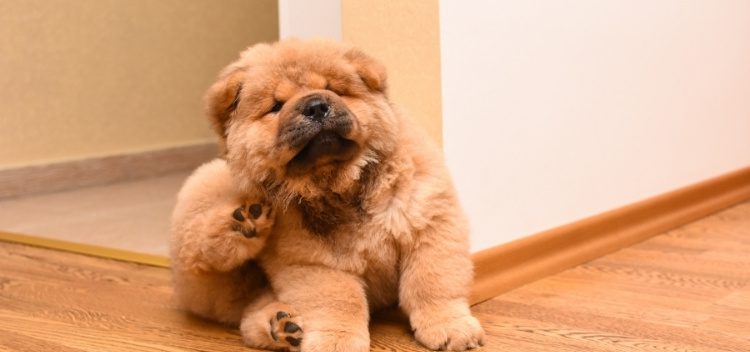
Your pet and fleas! The itchy truth!
Spring is in the air! Like a new year, a new season can also be a trigger to start afresh. Whether you are having a good clear out, a deep clean or applying a fresh coat of paint, it’s safe to say that getting into new habits can be a part of that fresh start!
With this in mind, we thought we would help out our lovely pet owners with getting into some new habits that will benefit their pet. One of these routine preventative steps is treating for fleas and worms.
We are MASSIVE believers in the mantra “prevention is better than cure”. Would you take steps to avoid a pet health issue if you could? If you needed any incentive, a financial one is always a strong contender! It’s usually cheaper in the long run to take steps to prevent a health issue than it is to treat one. Two of the easiest ways to do this right away is to treat for fleas and worms regularly.
When should I treat?
Fleas are not just an issue in the Summer months. Because of central heating, our homes are THE ideal environment for fleas to thrive. Download our leaflet for information on fleas and how these little critters can become a big problem in your home.
So, we wanted to help owners get into a new routine. We are offering many flea and worming products at a reduced price. For a full year of treatment you will get 25% off. Please call the team to find out more about the offer and which products are included. We can give advice on which product is best for your pet and we can also advise you on how often you should be treating your pet, based on your own specific family circumstances.
We now offer savings on flea treatments in our Pet Health Club – learn more.
Call the team today on 01772 639800 OR 01253 766352 or start a “chat” on PetsApp.
Rabbit Vaccinations – RVHD1 & RVHD2
Over the last year or so, we humans have had first- hand experience of how a virus can spread and how it affects our lives. We are not the only species on the planet that can be affected by a virus. We at least have SOME control over how we protect ourselves and those we love. Our pets don’t have this luxury. They only have us humans to rely on so it’s important that we know what the risks are and take the steps needed on behalf of our pets to ensure they are protected.
One such virus is RVHD or Rabbit Viral Haemorrhagic Disease. This disease is highly infectious and rapidly fatal to any rabbit that contracts the disease.
RVHD is contracted in many ways; through the ingestion of contaminated food or water, from other rabbits that are infected or through contaminated surfaces. They can also contract the virus through the urine or faeces of an infected rabbit and from insects (including flies, fleas and mosquitos).
Scavenger birds that have eaten the carcass of an infected rabbit can pass the virus on through their droppings. Humans who have had contact with an infected rabbit can also transport the virus through their clothing.
Mutations
Unfortunately, as with all things virus, they can mutate and there are now two strains of this deadly disease. Up to 2013, RHD1 was the only known variation of the disease. RHD2 was identified in the UK in 2013 but studies have suggested that it may have been around for much longer.
The new strain of the virus can affect young rabbits under 4 weeks of age. The virus has an an incubation period of three to nine days.
The mortality rate for the variant RHD1 is 90% with a lower rate for the RHD2 at 5-70%. The longer incubation time and lower mortality of RHD2 makes it more likely to spread than the original strain.
Treatment
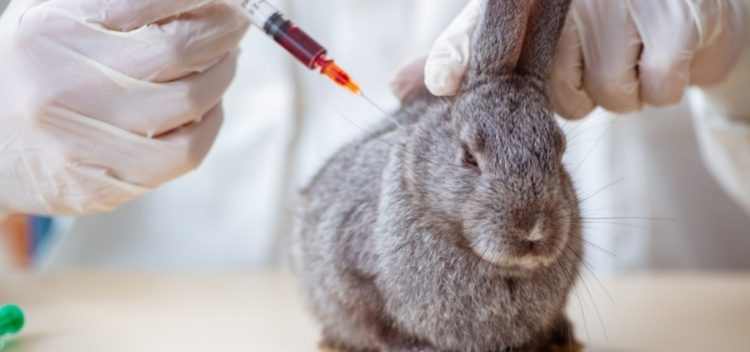
There is no cure for the disease. Vaccination is essential and the only sure way to protect your rabbit. Rabbits can be vaccinated from 5 weeks of age and must have an annual booster. It’s also important to ensure that your rabbit’s home and equipment is cleaned regularly, particularly if it has come into contact with an unknown rabbit.
Learn more about all the diseases we vaccinate a rabbit against and visit the PDSA website for more information on rabbit vaccinations in general.
Book a rabbit vaccination today
If you are concerned about your rabbit or would like to arrange to have your rabbit vaccinated, please call the team on 01772 639800 OR 01253 766352 or open a chat on PetsApp.
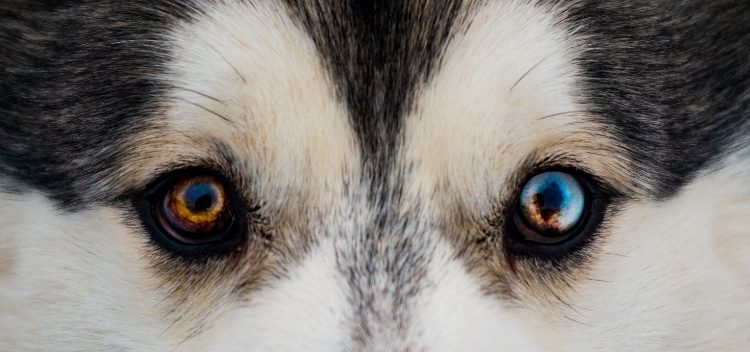
The Eyes have it – your pet’s eyesight
As our pets get older certain bodily functions will deteriorate. The eyesight is one of these functions and over time a pet’s sight deteriorates so much, they can become blind.
In a lot of cases it may not be immediately obvious that your pet is losing their sight. It can be a subtle deterioration and being told that a beloved pet is losing their sight or has gone blind can be a worrying time for owners.
Book an eye consultation with a vet
How can I help my pet?
There are some simple things you can do as an owner to help a pet to cope with limited sight or complete blindness. As with all things pet, routine is key. It makes our pets feel safe and secure. Keeping the layout of your home the same will allow your pet to become familiar with the location of chairs, tables and other furniture items. However, if you need to make a change to the layout, you can help them by guiding them around the home several times to help them learn the new layout.
A great way to orientate your pet is to leave a radio playing softly near to where they sleep. This gives them a focal point and context to help them know where they are.
Keeping your pet’s food and water bowls in the same place is another way in which you can help them orientate themselves. This is also important if you are using a litter tray to help avoid accidents. Again if you need to move things around, help your pet by guiding them to their new location to help them adjust.
It’s also important to ensure that there are no hazards around the home. Furniture with sharps edges, trailing electrical wires or hot items such as wood burning stoves or fireplaces can all cause a problem for a blind or visually impaired pet.
There are additional considerations to be made when you take a blind dog for a walk. Wearing a bell or rattle which jingles while you walk is a great tool to help your dog know where you are but it’s best to keep them on a lead, just in case. You can read a heartwarming story of a blind dog HERE and if you are concerned about your pet’s sight or in your pet’s health in general, call the team on 01772 639800 OR 01253 766352 or open a chat on PetsApp.

Smoking – The risks to your pet
Recent research has suggested that passive smoking could be a health risk to our pets. So why is this? Our pets usually spend more time in the house than their owners. They lounge on carpets and furniture covered in carcinogenic particles that can also settle on their fur. Pets, particularly cats, can then ingest them as they groom themselves.

Evidence suggests that tobacco smoke increases the risk of lung and nasal cancers in dogs. It could possibly increase the risk of blood cancer lymphoma and mouth cancer.

The only sure way to protect them is to stop smoking around them and in the environment they live in. Good ventilation to avoid stagnating air is crucial. Regular vacuuming of soft furnishings will also help lessen the amount of potentially dangerous particles in the home.

Visit the PDSA website for more information on the effects of smoking on your pet.
If you are thinking of giving up, why not get help to do that by visiting the NHS website.
If you have any concerns about the health of your pet, call the team on 01772 639800 OR 01253 766352 or open a chat on PetsApp.
#rowanvets #vetsinpreston #vetsinblackpool #vetsinlytham #vetsinkirkham #vetsinwarton #vetsinfreckleton #healthypets #welovedogs #welovecats

Baby bird out of its nest?
Every year people find baby birds that are out of their nests and feel that these little babies need rescuing. However, that’s not always the case. Most of these birds are not orphans but fledglings that are better off being left in the wild.

Visit the RSPCA website for a guide as to what you should do if you come across a baby bird and how to identify at what stage there are so you’ll know what to do. There is also useful information on owlets and what to do if you see one out of its nest.
Please don’t try to care for young birds yourself. These birds need specialist care and facilities if they are to survive. To find a wildlife rehabilitation centre near you, visit the RSPCA website.

Talk to the Animals – Cat Behaviour
It’s unsettling times for everyone and with the long-standing isolation and social distancing your cat may be showing signs of boredom. The signs could be:
- Increased aggression or lethargy
- Pulling their fur
- Spraying
- Overeating
- Being generally more destructive
You can help your cat overcome these destructive behaviours by helping them access ways to engage in their natural behaviours.

How can I help?
Cats are natural predators. Cats LOVE to play with humans rather than on their own and prefer it to having to cuddle their human! Get ideas on how to play with your cat.
Why not make your cat work for their food! By offering their food little and often and in different locations, you are encouraging your cat’s natural instinct to hunt. Using dry food is a more hygienic way but in the right way, wet food can also work.
Cats LOVE to sit on a windowsill particularly when the sun is shining. It’s a nice warm space to watch the world go by!
Cats enjoy being up high so making spaces around the home where they can sit and watch down on you. Something that isn’t perhaps as relevant at the moment, but in future, if you have a house full of people, providing hiding places for your cat makes them feel safe. A cardboard box makes an ideal hideout.
Scratching posts dotted around the home and covered in various materials such as rope or cardboard, will encourage your cat to claw the posts rather than your furniture. Make sure the posts are high enough for your cat to stretch out to full height. You can encourage the use of the post by spraying it with catnip.
If you have any concerns about the health or behaviour of your cat, call the team today on 01772 639800 OR 01253 766352 or open a chat on PetsApp.