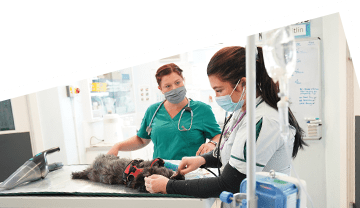
Hayley Winston RVN – #VNAM2021 #whatVNsdo
#whatVNsdo
Hayley is one of a team of 4 RVNs with another two due to join the team this month. Stay with us to learn more about the other members of the team later in the month. Check back to know Amy and Helen.
#rowanvets #vetsinpreston #vetsinblackpool #vetsinlytham #vetsinkirkham #vetsinwarton #vetsinfreckleton #welovedogs #welovecats #healthypets #pethealth #planetRVN, #VNAM2021 and #whatVNsdo

How does the vet test for pet diabetes?
The vet will test your dog’s urine for the presence of glucose. If it appears at a high level in their urine, they will then test your dog’s blood. A diagnosis of diabetes will only become definite when glucose is found at a high level both in the urine and in the blood.

Diabetes is not a curable disease. It can be managed very successfully with proper treatment, diet and exercise.
The main goal of managing diabetes is to maintain glucose levels in an acceptable range while avoiding hypoglycaemia, or LOW blood sugar. Proper management of the disease can reduce or eliminate signs of the diabetes, such as excessive thirst and urination.
Visit our YouTube channel for a cute video explaining one way that diabetes is managed.
One of the ways in which the disease is managed is with insulin. After diagnosis, the vet will determine the insulin dose based on your dog’s weight. This dose might need some tweaking over time. The vet will teach you everything you need to know about giving insulin. They will also discuss with you how to monitor your dog’s glucose levels at home.
If your dog is showing any signs of diabetes or if you have any concerns about your pet’s health, call the team today on 01772 639800 OR 01253 766352 or open a chat on PetsApp.
#rowanvets #vetsinpreston #vetsinblackpool #vetsinlytham #vetsinkirkham #vetsinwarton #vetsinfreckleton #welovedogs #welovecats #healthypets #pethealth #diabetesindogs #petsanddiabetes diabetesincats
Veterinary Nurse Awareness Month

Say hi to Beccy Cooper RVN. As part of #whatVNsdo #VNAM2021 #planetRVN we want to raise awareness of the important contribution Beccy makes to the practice. RVNs make a massive contribution to the care of your pets. Click HERE to see a short bio of why Beccy wanted to be a nurse, her experience of training and what she has been doing since she qualified.
Beccy is one of a team of 4 RVNs, with another two RVNs due to join the team this month. We’ll be learning more about the other members of the team so check back in later in the month and get to know Amy, Helen and Hayley.
Meet the rest of our nursing team
There’s a great competition you can enter to be in with a chance to win highstreet vouchers. Check out how to enter but check out the rules HERE first.
#rowanvets #vetsinpreston #vetsinblackpool #vetsinlytham #vetsinkirkham #vetsinwarton #vetsinfreckleton #welovedogs #welovecats #healthypets #pethealth #planetRVN, #VNAM2021 and #whatVNsdo

Feline diabetes – how does it affect your cat
Feline diabetes is more common in middle-aged and older cats although it isn’t unheard of in younger cats. Undiagnosed and untreated, diabetes can develop complications such as an inflamed pancreas. Prolonged high blood glucose can lead to nerve dysfunction, also known as “peripheral neuropathy” which can be seen as wobbliness. A more serious medical emergency is “ketoacidosis” which occurs when there is not enough insulin in the body to control glucose levels. If not treated, this can lead to death.

There are certain breeds of cat that are more at risk of developing diabetes. Both Burmese and Siamese cats experience an above average rate of diabetes. Obesity, physical inactivity and an indoor lifestyle increase the chances of developing diabetes. Other health conditions, such as chronic pancreatitis or hyperthyroidism, may also increase the chances of developing the condition.
Diabetes can cause visible changes in your cat’s behaviour and health. The signs that your cat might be diabetic are; urinating frequently or in larger amounts, leading to more frequent litter changes or a heavier cat litter tray, drinking a lot of water from unusual water sources, always hungry, losing weight despite having a very good appetite, dull or dry coat and sleeping more or less active.
Check out our YouTube channel for a little video of some of the signs of diabetes in your pet.
It’s important that you bring your cat to the vet for a full examination if your cat is displaying any of the symptoms of diabetes.
Download our leaflet on feline diabetes and if you are concerned about the health of your dog, call the team on 01772 639800 OR 01253 766352 or open a chat on PetsApp.
#rowanvets #vetsinpreston #vetsinblackpool #vetsinlytham #vetsinkirkham #vetsinwarton #vetsinfreckleton #welovedogs #welovecats #healthypets #pethealth #diabetesindogs #petsanddiabetes #diabetesincats

Veterinary Nurse Awareness Month
This month is Veterinary Nursing Awareness Month, #whatVNsdo #VNAM2021 #planetRVN. The purpose of VNAM is to spread the word to the veterinary profession and pet owners about the importance of the role of the veterinary nurse in practice, and the provision of responsible pet care to the general public.
Here at Rowan we are proud of our RVN team and wanted to celebrate the amazing work they do as part of the whole nursing team.

This year we have four registered and qualified members of the team, with two more due to start later in the month.
We have Helen, Amy and Beccy and Hayley, our head nurse. Hayley manages the team across the two sites. We will share their biographies during the month so you can get to know them better . The theme of this years VNAM is “sustainability” with a tag line of “I’m a Veterinary nurse, and I’m human too!” For more information on the campaign, click the link HERE
As part of the month there is a great competition for owners to get involved with. The competition is being run by the BVNA. You could be the lucky winner of a £50 Love2Shop voucher or one of two runner up prizes of £25 Love2Shop voucher. See details of entry below and good luck! Please also tag us, #rowanvets in any entry.
Category E for Pet Owners | Take a picture of your pet and complete the sentence “I love my Veterinary Nurse because…..”
We are asking pet owners to send their photo and quote to us at bvna@bvna.co.uk, and also post on their own social media pages too, with the appropriate hashtags; #planetRVN, #VNAM2021 and #whatVNsdo. Please read the competition rules before entering.
#rowanvets #vetsinpreston #vetsinblackpool #vetsinlytham #vetsinkirkham #vetsinwarton #vetsinfreckleton #welovedogs #welovecats #healthypets #pethealth
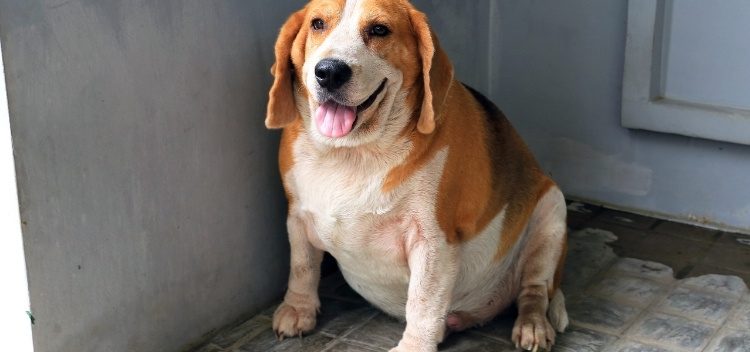
Diabetes – what it means for your dog
We hope you all had a relaxing bank holiday.
This month we’re going to be looking at a condition that not only affects humans, but our pets too.

Diabetes is a condition that affects the amount of glucose (or sugar) in your pet’s blood. Diabetes occurs when your pet’s body makes too little insulin or stops producing it completely. It can also be as a result of an abnormal response to insulin.
Canine diabetes is more common in middle-aged and older dogs although it isn’t unheard of in younger dogs. Undiagnosed and untreated, diabetes can develop complications such as cataracts. Prolonged high blood glucose can lead to blindness and frequent infections. A more serious medical emergency is “ketoacidosis” which occurs when there is not enough insulin in the body to control glucose levels.
There are certain breeds of dog that are more often at greater risk of developing canine diabetes; Cocker Spaniels, Dachshunds, Doberman Pinschers, German Shepherds, Golden Retrievers, Labradors, Pomeranians, Terriers, Toy Poodles, Miniature Schnauzers, Keeshond and Samoyeds.
No one knows their dog like the owner. Diabetes can cause visible changes in a dog’s behaviour and health. The signs that your dog might be diabetic are; urinating frequently or in larger amounts, drinking a lot of water, always hungry, losing weight despite having a very good appetite, cloudy eyes and is sleeping more or less active.
It’s important that you bring your dog to the vet for a full examination if your dog is displaying any of the symptoms of diabetes. Here’s a handy CHECKLIST of symptoms.
Download our leaflet on canine diabetes for more information and if you are concerned about the health of your dog, call the team on 01772 639800 OR 01253 766352 or open a chat on PetsApp.
#rowanvets #vetsinpreston #vetsinblackpool #vetsinlytham #vetsinkirkham #vetsinwarton #vetsinfreckleton #welovedogs #welovecats #healthypets #pethealth #diabetesindogs #petsanddiabetes #diabetesincats

How does a vet diagnose your pet?
It takes 5 years to train as a vet. Like human doctors, vets are learning and gaining experience all the time. They continue to improve their clinical knowledge and understanding to improve their diagnosis skills, but how does a vet go about pinpointing exactly what is wrong with your pet?

Animals don’t talk so they can’t tell us where it hurts or how they feel. Making a diagnosis is a very skilful practice. It’s the result of training, knowledge, experience and understanding. Try to imagine that it’s a very complex riddle with missing clues!
How does a vet find the clues?
Examination – when it’s not obvious what’s wrong (like a broken leg), a physical examination can provide lots of clues. Checking the heart rate, breathing rate, temperature, eyes, ears, mouth and weight can provide important information. An examination can reveal pain, infection or irritation or may indicate an issue that might be going on inside with another of your pet’s organs.
Talking to the owner – no-one knows their pet like the owner. The vet will ask LOTS of questions about eating, drinking, sleeping, toileting, exercise, behaviour and habits. They will want to know about any changes an owner may have observed. For example, an owner may be asked if their pet is eating less than usual or drinking more than normal.
Thinking about your pet specifically – the vet will take into account your pet’s species, their breed, age, gender and previous medical history. Certain illnesses are more likely to occur in certain breeds or species.
All this information helps the vet to understand more about your pet’s health issue. They will recommend a treatment based on the outcome of this investigation. It is an incredibly skilful process and to the naked eye seems effortless. This skill develops from 5 years of training and continued learning and experience from the day to day interactions and examinations of animals.
Why doesn’t the vet always know what’s wrong?
Not all conditions will be successfully treated first time. Some conditions and disease can have very similar symptoms so further tests or investigations might be recommended. To make it even more complicated, some “symptoms” or disease are as a result of another, underlying condition. To manage or remove these symptoms the underlying condition needs to be identified and treated or managed. In some cases it is also not possible to “cure” some disease or conditions i.e. arthritis or allergies. In these cases treatment will be recommended to manage bothersome and sometimes painful symptoms. This will give comfort to and provide a better quality of life for your pet.
Visit the PDSA website for more information on how a vet finds out what is wrong with your pet and if you have any concerns about the health of your pet, call the team today.
#rowanvets #vetsinpreston #vetsinblackpool #vetsinlytham #vetsinkirkham #vetsinwarton #vetsinfreckleton #welovecats #welovedogs #healthypets #petwellbeing #pethealth

The importance of regular health checks
Regular health checks help to keep your pet in tip-top condition. It’s important that your pet receives a full health check at least once a year. To make this easy, a full health check is included as part of a pet’s annual vaccination booster.
Have you ever wondered why the vet asks you lots of questions about your pet? Do you know what the vet is looking for when they examine your pet during a consultation? Well wonder no more!

To help understand what a full health examination consists of, download our information about cat health checks and dog health checks.
Like us humans, our pets are likely to experience health issues as they get older. We advise owners of older pets to get them checked more often. Early detection of a health issue can make all the difference to your pet’s life-span. Perhaps more importantly, early detection may maintain or improve their quality of life. For example, pain that your pet might be experiencing from arthritis can be managed making your pet more comfortable and able to participate in their normal activities. Early detection of health issues can be monitored or managed very conservatively i.e through diet. It can make all the difference to your pet with very little effort.
If you have any concerns about the health of your pet or you would like some specific advice about symptoms of concern, please call the team on 01772 639800 OR 01253 766352 or open a chat on PetsApp.
#rowanvets #vetsinpreston #vetsinblackpool #vetsinlytham #vetsinkirkham #vetsinwarton #vetsinfreckleton #welovecats #welovedogs #healthypets #petwellbeing #pethealth

Cats – Improving their home environment
Cat’s tend to be more solitary creatures. They need an environment that meets both their physical and mental health needs. Creating the right home environment for your cat is very important. It allows them to express normal cat behaviours.
Although we like to think our cat’s bond with us, they actually bond more strongly with their environment. This is why it’s so important that you make every effort to create the best environment you can for them to thrive. It really is worth putting in the time to getting their environment right to avoid unwanted behaviours. You will find that many issues arise as a result of a multi-cat household. However, the principles of a good environment are the same for single cat households too.
Did you know we are an accredited Cat Friendly Clinic?

Download our information on multi-cat households which will give you some ideas of ways you can provide your cat with a great home environment. It will reduce their stress and generally improve their quality of life!
Learn more about cat care.
If you have concerns about any aspect of your cat’s health, call the team today on 01772 639800 OR 01253 766352 or open a chat on PetsApp.
#rowanvets #vetsinpreston #vetsinblackpool #vetsinlytham #vetsinkirkham #vetsinwarton #vetsinfreckleton #welovecats #welovedogs #healthypets #petwellbeing #pethealth
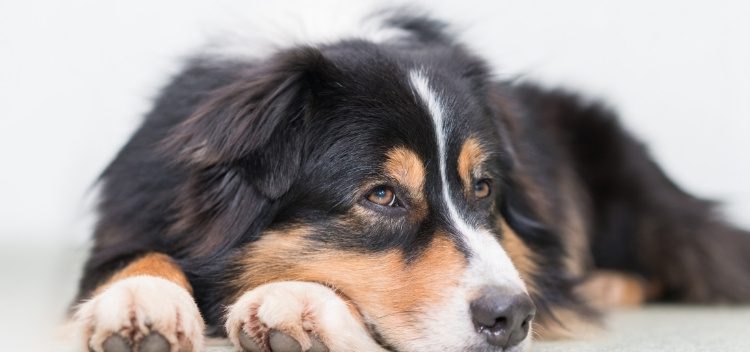
Mental Health – Is your pet bored?
Walking your dog isn’t just about taking them around the block to do their “business”. It’s a simple activity that has SO many other benefits for your dog’s overall physical and mental health.
Regular exercise is a great way for:
- Burning calories
- Helping to keep off any excess pounds for both your dog AND you
- Being a freely available activity that keeps those joints mobile
- Helping to regulate the digestive tract making the routine of a walk a great way to keep your dog on “poop schedule”

Walking your dog is also a GREAT way to keep them mentally stimulated. Dogs don’t like to be bored, it can lead to trouble! If you give them something constructive to do, they may be less likely to do something destructive, like chewing the furniture! Allowing your dog to sniff also helps them to explore their world and make sense of their environment. It also keeps them mentally stimulated!
As their human, you are also the centre of your dog’s universe. They CRAVE your attention so what better way to spend quality time with your dog than by taking a walk together. Spending one on one time with your dog will deepen your bond and help to deter any unwanted attention-seeking behaviours.
Stuck for some ideas on how to keep your dog and cat entertained in the home? Why not download these useful ideas and share your own game ideas and pictures with other owners!
If you have any concerns regarding your pet’s health or their behaviour, give the team a call on 01772 639800 OR 01253 76635 or open a chat on PetsApp.
Learn more about general dog care and cat care in our guides.
#rowanvets #vetsinpreston #vetsinblackpool #vetsinlytham #vetsinkirkham #vetsinwarton #vetsinfreckleton #welovecats #welovedogs #healthypets #walkies