What is the cause of arthritis in pets?
There are two ways in which a pet might become affected by arthritis; developmental or acquired.
However your pet becomes arthritic, it is NOT an owners fault. The purpose of sharing information is to support owners so as to minimise the progression of disease in their pet. It’s also to help manage the pain of arthritis so that the pet lives a full and active life.

Photo by Bill Oxford on Unsplash
Developmental means that your pet is genetically predisposed to have abnormally formed joints. This only becomes apparent as your pet grows. Certain breeds are more likely to suffer, such as Labradors and Golden Retrievers. Because the joints don’t move smoothly or freely, they become damaged. This causes inflammation which eventually results in arthritis.
This type of disease will happen no matter what anyone does to try and avoid it. However, how severely your pet is affected can be influenced in early life. Owners can ensure that their pet maintains a healthy weight or gets the right amount of exercise (not too much but not too little). The type of floors your home has can also help; laminate or slippy flooring or homes with lots of stairs can all contribute to more severe clinical signs.
Acquired means that your pet wasn’t born with an increased likelihood of developing the disease. It could have been caused by experiencing a traumatic injury to the joint or getting an infection in the joint. Find out more about the causes of arthritis
The causes of arthritis are often outside of the control of an owner. What is in their control is the action they take when they suspect their pet might be affected.
If you feel your pet might be showing the signs of arthritis, call the team on 01772 639800 OR 01253 766352 or open a chat on PetsApp to book an appointment with a vet.
#rowanvets #veetsinpreston #vetsinblackpool #vetsinlytham #petsinkirkham #petsinwarton #petsinfreckelton #healthypets #petsandarthritis #petsandmobility #petsandpain #chronicpainvetlancs
Diagnosing and managing arthritis in pets
Owners are a very important part of the diagnosis and management of arthritis in their pet. They know their pets and are often the first to see that something isn’t quite right. They may notice that their pet is slowing down or “getting old”.


In our previous post we detailed some of the signs your pet might display if they have arthritis. When you bring your pet to the vet, the vet will give your pet a full physical examination and ask you lots of questions. If arthritis is suspected the vet will offer treatment recommendations based on their findings.
As part of the process, the vet may offer an owner a blood test. Older pets are more prone to chronic conditions that can cause some of the same symptoms of arthritis. A blood test will rule out these possibilities to ensure an accurate diagnosis. The blood test will also highlight how your pet might respond to pain relief medication if they require it. For example, a dog with liver disease may not process the medication as well as a dog without liver disease.
A urine test may also be offered for the same reasons. A urine test will highlight any kidney disease that may affect how your pet might tolerate medication. Regular monitoring of both your pet’s blood and urine will also help to show how your pet’s organs are coping with the long term use of pain medication.
Find out more about how arthritis is managed.
Arthritis isn’t curable. The goal is to manage the pain of the disease to support a healthy, active and good quality of life for your pet.
If you recognise any of the symptoms of arthritis in your pet, call the team on 01772 639800 OR 01253 766352 or open a chat on PetsApp, to book your appointment with a vet.
#rowanvets #veetsinpreston #vetsinblackpool #vetsinlytham #petsinkirkham #petsinwarton #petsinfreckelton #healthypets #petsandarthritis #petsandmobility #petsandpain #chronicpainvetlancs
What is arthritis?
Arthritis is a disease that is not fully understood despite it affecting millions of humans and thousands of our pets. The disease has been around for millions of years. Evidence of the disease has been found in the bones of dinosaurs!
Arthritis is a degeneration of the normal structures within a joint. Progression can be subtle so the signs can often go unnoticed. The pain from arthritis causes a reduction in the use of the joint or limb attached to it. As a result, the surrounding muscles, ligaments and tendons become weak. The body will then compensate for this weakness elsewhere in the body. This causes more pain and so the cycle continues. The brain becomes more aware of the constant pain and magnifies it over time. Find out more about this common disease.
Age is just a number!
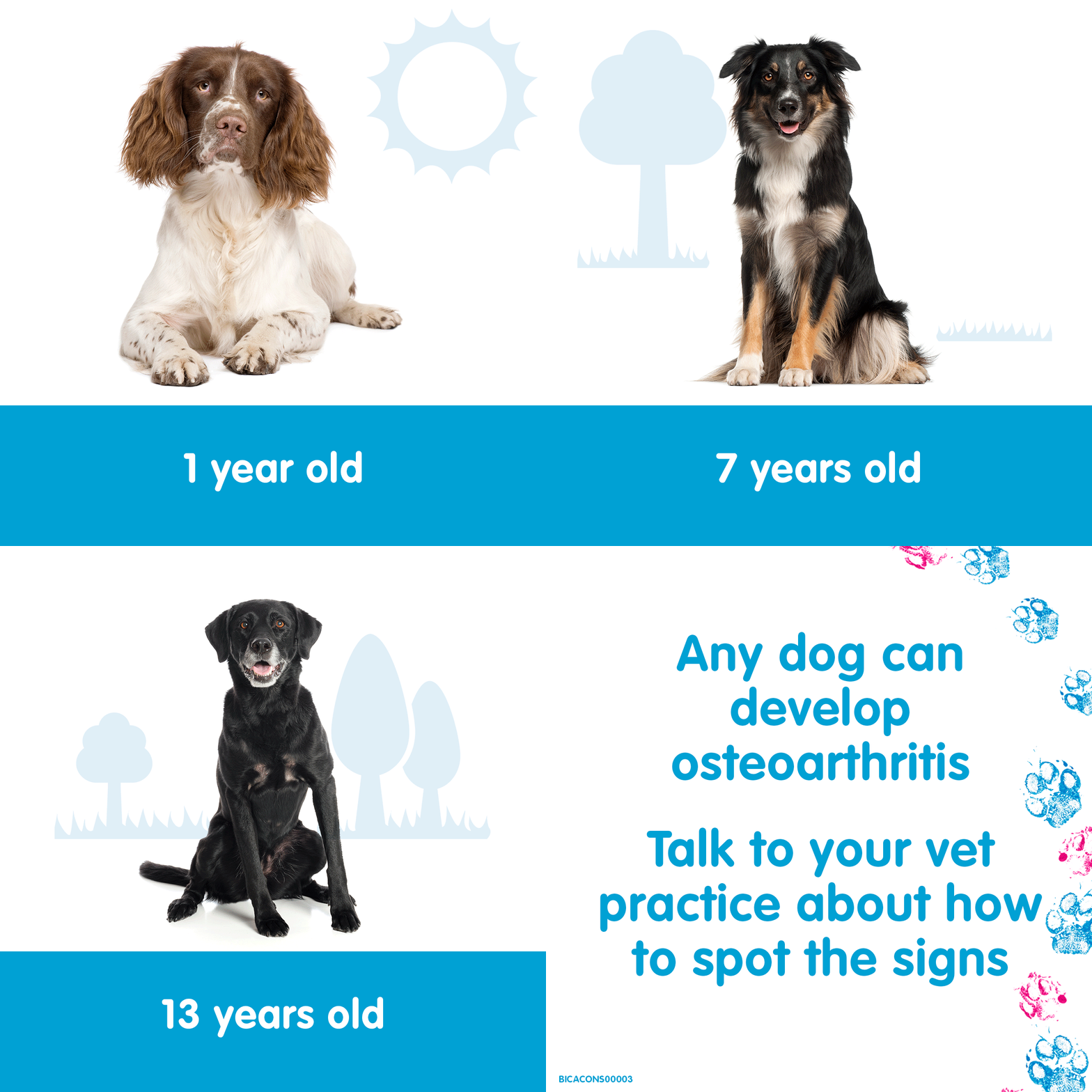
It’s common to believe that arthritis is a disease of the elderly because it is more common in older dogs. However, it can affect dogs as young as one year old! There are certain breeds of dogs that are more prone to the disease and the disease can also be inherited.
The key is to identify there is arthritis present so that the pain can be managed. This keeps your pet mobile and active and slows down the speed of the progression. It manages the pain making your dog more comfortable and improves their overall quality of life.
So, how can you tell if your pet might have arthritis? There are some key observations to be made:
- Unusual of different behaviour
- Depression/low mood
- Difficulty getting comfortable
- Pacing at night
- Sleeping more than usual
- Physical changes such as posture, physique or muscle appearance
- Weak hind limbs and difficulty going to the toilet
- Lameness
- Unwillingness to walk
- Licking their joints
- Change in temperament
If your dog is showing any signs of arthritis or you have any concerns about the health of your pet, call the team on 01772 639800 OR 01253 766352 or open a chat on PetsApp
#rowanvets #vetsinpreston #vetsinblackpool #vetsinlytham #vetsinkirkham #vetsinwarton #vetsinfreckelton #healthypets #petsandarthritis #petsandmobility #petsandpain #chronicpainvetlancs

Arthritis and your pet
This month we are going to look at a very common condition experienced by many pets, particularly dogs and cats.

Arthritis is THE most common cause of chronic pain in dogs and cats. It affects 4 out of 5 older dogs and 2 out of every 3 cats. 80 to 90% of pain cases seen at Rowan are as a result of arthritis. This disease is not curable. It is a progressive disease which initially focuses on the moving joints of the body. In the long term it will affect your pet’s whole body and is the major cause of euthanasia because of the loss of quality of life.
Arthritis is a very complex disease. It requires an owner to work closely with a vet to help control the pain. This will maximise the animal’s mobility to ensure a full and active life.
Find out more about arthritis in dogs
Find out more about arthritis in cats
Over the next month we are going to look at how this disease progresses. We will help you understand the part you play and how, by working with the vet, you can make a big difference in your pet’s life.
If you recognise any of the symptoms or issues shared in your pet, call the team today on 01772 639800 OR 01253 766352 or open a chat in PetsApp.
#rowanvets #veetsinpreston #vetsinblackpool #vetsinlytham #petsinkirkham #petsinwarton #petsinfreckelton #healthypets #petsandarthritis #petsandmobility #petsandpain #chronicpainvetlancs

Helen Booth RVN #whatVNsdo
In our final post as part of #whatVNsdo #VNAM2021 #planetRVN, say hi to Helen. We want to raise awareness of the important contribution she makes to the practice and to the care of your pets. Click HERE to find out more about Helen’s role at the practice, particularly that of overseeing our Blackpool branch, and what she’s been up to since she qualified.

Helen is one of a team of 4 RVNs, with another two due to join the team this month. We’ll be sharing information about a two newest members later in the year so stay tuned!
#rowanvets #vetsinpreston #vetsinblackpool #vetsinlytham #vetsinkirkham #vetsinwarton #vetsinfreckleton #welovedogs #welovecats #healthypets #pethealth #planetRVN, #VNAM2021 and #whatVNsdo #photooftheday #instagood #nofilter #picoftheday #love

Canine Diabetes – why dogs need regular check-ups with the vet

Canine diabetes is not curable but your dog can live a long and happy life with the attentive care from an owner.
It’s also really important that as the owner of a diabetic dog, you take your pet for regular check-ups with the vet. This is the best way to properly manage your dog’s diabetes. It reduces the chances of the side effects of diabetes from occurring in your dog. It might also be that adjustments need to be made to the dose of insulin your dog needs. Check-ups 2-4 times a year are recommended. This will include a full physical examination and possibly urine and blood testing.
Changes to insulin requirements can be due to weight loss or gain. It can also be as a result of a change in exercise levels or stress. The presence of other diseases or infections and other medications can also have an effect.
Owners can track and monitor glucose in their dog’s urine or blood at home. It’s important to record these levels as it helps both the owner and the vet to understand if the condition is being managed effectively.
There are some great apps available now to help owners record results:
Pet Diabetes Tracker Mobile App
You can also download our leaflet on diabetes HERE which shows how to take a blood sample from your dog’s ear, to measure the glucose levels in their blood.
There are also some great resources available for diabetes HERE
If you have any health concerns about your dog, call the team today on 01772 639800 OR 01253 766352 or open a chat on PetsApp.
#rowanvets #vetsinpreston #vetsinblackpool #vetsinlytham #vetsinkirkham #vetsinwarton #vetsinfreckleton #welovedogs #welovecats #healthypets #pethealth #diabetesindogs #petsanddiabetes #diabetesincats

Feline diabetes – managing your cat’s diabetes with their food

Has your cat been diagnosed with diabetes? An important aspect of feline diabetes management is your cat’s diet. Your cat’s food should contain a quality source of protein and be low in carbohydrates. Managing your cat’s diet helps to control the fluctuations of glucose in your cat’s body. This is done by offering their meal at the same time each day. It’s also managed by offering the same amount of food at each meal. Managing glucose fluctuations will reduce the symptoms of diabetes in your cat.
In female cats, hormones can also play a part. If your cat is female and has been diagnosed with diabetes, the vet may recommend that you have your cat spayed. Progesterone can interfere with the normal action of insulin. Spaying your cat will remove this influence and help to improve the control of the disease. Download our information leaflet on diabetes to find out more about the symptoms and the treatment for diabetes.
If you are concerned that your cat may be displaying symptoms of feline diabetes or you have any concerns about your cat’s health in general, call the team today on 01772 639800 OR 01253 766352 or open a chat on PetsApp.
#rowanvets #vetsinpreston #vetsinblackpool #vetsinlytham #vetsinkirkham #vetsinwarton #vetsinfreckleton #welovedogs #welovecats #healthypets #pethealth #diabetesindogs #petsanddiabetes #diabetesincats

Pet diabetes and the role of exercise
Diet and exercise play a VERY important part in the overall management of diabetes. The core advice is to keep meal content and volume the same each day so as to avoid changes in insulin requirements. Choosing a food that has a good quality protein source and is low in carbohydrates is recommended. If your pet is overweight, switching to a reduced-calorie diet is also recommended.
The owner of a dog with diabetes should also monitor their exercise levels. Exercise can have an effect on a dog’s blood glucose levels so if your dog suddenly has an increase in exercise, expending more energy than usual, they will burn more glucose. This may result in an extremely low blood sugar level (hypoglycaemia).
The team can help advise owners of diabetic dogs on food choices and exercise levels and even recommendations on managing any weight issues your dog might be experiencing – get in touch.
If you have any concerns about the health of your dog or if you think they are showing the signs of diabetes, call the team on 01772 639800 OR 01253 766352 or open a chat on PetsApp.
#rowanvets #vetsinpreston #vetsinblackpool #vetsinlytham #vetsinkirkham #vetsinwarton #vetsinfreckleton #welovedogs #welovecats #healthypets #pethealth #diabetesindogs #petsanddiabetes #diabetesincats #photooftheday #instagood #nofilter #picoftheday #love

Amy Eddleston RVN #whatVNsdo
Amy is one of a team of 4 RVNs. With another two due to join the team this month, there will be a wealth of knowledge available to our clients. We’ll also be learning more about the other members of the team so check back in and get to know more about Helen later in the month.
#rowanvets #vetsinpreston #vetsinblackpool #vetsinlytham #vetsinkirkham #vetsinwarton #vetsinfreckleton #welovedogs #welovecats #healthypets #pethealth #planetRVN, #VNAM2021 and #whatVNsdo #photooftheday #instagood #nofilter #picoftheday #love

How is feline diabetes diagnosed in cats?
Is your cat showing signs of feline diabetes? How will the vet test to find out? The vet will test your cat’s urine for the presence of glucose. If it appears at a high level, the vet will then test your cat’s blood. A diagnosis of diabetes will only become definite when glucose is found at a high level in both the urine AND the blood.

Can you cure diabetes in my cat?
Diabetes is not a curable disease. It can be managed very successfully with proper treatment, diet and activity.
How is feline diabetes managed?
The main goal of managing diabetes is to maintain glucose levels in an acceptable range. Managing the levels whilst avoiding hypoglycaemia, or LOW blood sugar is the sweet spot. Proper management of the disease will reduce or eliminate signs of the diabetes. Some of these signs are excessive thirst and urination. The good news for cat owners is that in some cases, cats with diabetes may no longer need insulin after a few weeks or months of treatment. This is known as “clinical remission”. This doesn’t mean that your cat is cured, just that the condition is stable.
One of the ways in which diabetes is managed is with insulin. After a clear diagnosis, the vet will determine the insulin dose based on your cat’s weight. They will teach you everything you need to know about giving insulin. The vet will discuss with you how to monitor your cat’s blood or urine glucose levels at home.
Check out this cute video on our YouTube channel where Sugar and Spike visit the vet because Spike has diabetes.
If your cat is showing signs of diabetes or if you have any concerns about your pet’s health, call the team today on 01772 639800 OR 01253 766352 or open a chat on PetsApp.
See all our contact information
#rowanvets #vetsinpreston #vetsinblackpool #vetsinlytham #vetsinkirkham #vetsinwarton #vetsinfreckleton #welovedogs #welovecats #healthypets #pethealth #diabetesindogs #petsanddiabetes #diabetesincats #chronicpainvetlancs