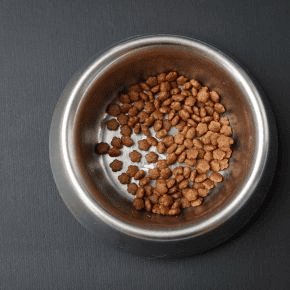
Rowan Vets’ Guide to Feeding Pets in Hot Weather
July 7, 2026


It’s summertime in Lancashire, bringing plenty of opportunities to enjoy time with your pet, along with a few seasonal changes to be aware of. You may have noticed recently that your pet is eating less than usual, and you’re not alone.
At Rowan Vets, we understand that changes in your pet’s appetite may be concerning, but our team are here to explain why this can be more common in hot weather and when to seek veterinary care.
If you would like tailored advice on your pet’s diet, book an appointment today.
Do pets eat less in hot weather?
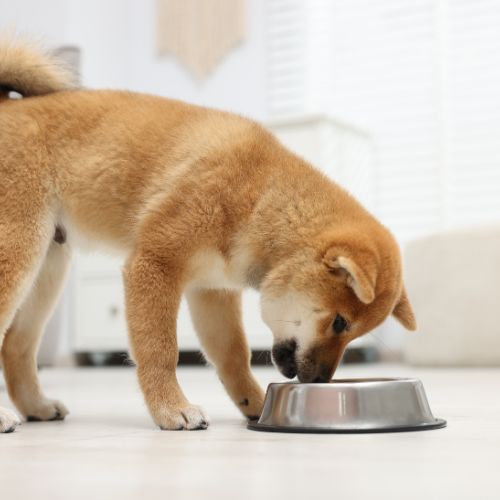
Yes, many pets do eat less during warmer weather, and in many cases, this is a normal, seasonal change. Our team in Preston explain that as temperatures rise and activity levels change, your pet’s body naturally adapts. These environmental changes trigger hormonal responses that influence metabolism, energy use and appetite. Put simply, when it’s warmer, pets often need less energy, so they may not feel the need to eat as much.
You may also notice your pet is less active in the heat. Just like us, many animals prefer to rest and stay cool rather than move around when temperatures are high. With lower activity levels comes a reduced need for calories, and appetite often adjusts accordingly.
Appetite changes in different species
That said, appetite changes in the Lancashire heat don’t affect all pets in the same way. While some may naturally regulate how much they eat, others require closer monitoring to ensure their nutritional needs are still being met.
Dogs and cats
It’s common for dogs and cats to eat less in summer, as they’re often less active, so a reduced appetite can be a normal response. Indoor cats may be less affected if their environment stays cool and consistent, so any changes may be less expected.
If your pet is otherwise well, drinking normally and maintaining their weight, a slight drop in appetite is usually nothing to worry about. However, our veterinary team at Rowan Vets advise that you monitor their intake as prolonged reduced eating, especially in cats, can lead to health issues.
Rabbits
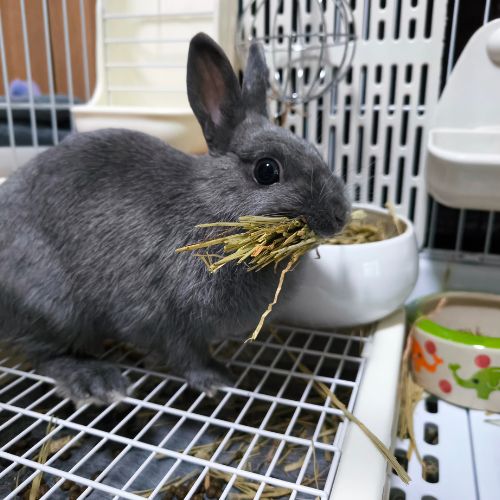
Although rabbits may appear to eat less in summer, their digestive system relies on a constant intake of fibre. Even small reductions in appetite can lead to potential health issues, so it’s important to ensure they continue eating hay regularly as well as providing a steady supply of water. Monitor them closely for any changes, and if in doubt, get in touch.
How can I support my pet’s appetite in the heat?
Here are our top five tips for healthy summer feeding routines at Rowan Vets:
- Keep feeding routines consistent, but if needed, adjust meal times slightly to cooler parts of the day, such as earlier morning or later evening
- Keep food fresh and remove uneaten portions promptly
- Ensure constant access to clean, fresh water
- Provide a cool, comfortable feeding area
- Avoid sudden changes to their diet
My pet is not eating; when should I be concerned?
If your pet is not eating, shows signs of lethargy, refuses water, is vomiting, or you have noticed weight loss with no obvious reason why, it is best to seek veterinary advice. For rabbits and some other small pets (guinea pigs, chinchillas & degus), a reduced appetite within 6-12 hours can become serious quickly, so prompt attention is important.
Call us on 01772 639 800 or book an appointment online with our team in Preston.