Spring Shedding Advice for Dog, Cat & Rabbit Owners
March 21, 2026


As spring approaches and temperatures rise in Lancashire, many pets begin to shed their winter coats. Spring moulting is completely natural, but that doesn’t mean your home has to disappear under a layer of fur. With the right approach and tools, helping your pet through coat changes can be simple and even enjoyable.
Below, our veterinary team at Rowan Vets share tips on the tools you need for grooming and how to build a grooming routine for your pet. If you’d like a demonstration or need extra help with a nervous pet, don’t hesitate to contact us for advice.
Contact us for tailored advice
Spring shedding: grooming tips to tame the fluff
Why pets shed more in spring
Seasonal shedding is triggered by changes in daylight rather than temperature. Our vets in Preston explain that as light levels increase, your pet’s body releases the thicker winter coat to make way for a lighter one. Regular grooming helps remove loose hair, improves skin health and reduces the risk of matting or hairballs.
Choose the right tools for your pet’s coat
Not all brushes are created equal, and using the wrong one can be uncomfortable or ineffective.
- Short-haired dogs and cats benefit from rubber grooming mitts or soft bristle brushes to lift loose fur and stimulate the skin.
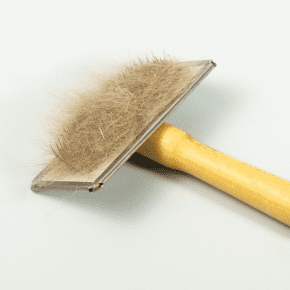
- Long-haired or double-coated dogs often need an undercoat rake or de-shedding tool to remove loose undercoat without damaging the top coat.
- Long-haired cats do best with wide-toothed combs followed by gentle brushing to prevent knots and reduce hairballs.
- Rabbits should be groomed carefully using soft brushes or specialised small-pet tools — they can’t vomit hairballs, so removing loose fur is especially important during moults.
Build grooming into your routine
Short, regular sessions are far more effective than occasional long ones. Aim for a few minutes most days during peak shedding, keeping the experience calm and positive. Our vets in Preston share that treats, praise and patience go a long way – especially for pets new to grooming.
When to ask for help
If grooming causes irritation, your pet resists handling or you notice redness, scabs or hair loss, it’s best to seek advice from our nurses at Rowan Vets. Skin issues can sometimes be mistaken for normal shedding.
Helping your pet through spring shedding doesn’t have to be a battle, it’s about the right tools, timing and technique.
Struggling with the ‘fluff-pocalypse’? Book a nurse grooming demo at Rowan Vets and let us help you find the perfect brush for your pet’s coat.
Contact us for tailored advice