Key Signs of Antifreeze Poisoning from Our Vets in Preston
December 8, 2025


Antifreeze poisoning is one of the most serious winter emergencies for pets. Even a few drops can be fatal, especially for cats and small dogs.
The danger comes from ethylene glycol, a chemical in many antifreeze and de-icing products. Its sweet taste may appeal to dogs, while cats often ingest it accidentally when grooming their paws after walking through spills. Once swallowed, it causes rapid and irreversible kidney failure if not treated immediately.
In this article, our vets in Preston highlight some of the signs of antifreeze poisoning and what you can do to prevent this kind of emergency.
If you suspect your cat or dog may have ingested antifreeze, contact our team at Rowan Vets on 01772 639 800 straight away.
If your emergency is out of our usual hours, don’t hesitate to contact our emergency service to get your pet the help they need.
How to deal with antifreeze poisoning in cats and dogs
Recognising the signs
Our vets in Preston advise that symptoms can appear within 30 minutes of ingestion.
Common signs of antifreeze poisoning in pets include:
- Vomiting
- Excessive thirst or urination
- Wobbliness or loss of coordination
- Trembling, seizures, or lethargy
Cats may seem unusually quiet or disorientated, while dogs might stagger or drool excessively. As the toxin spreads, pets can quickly become weak and unresponsive.
What to do if your pet has swallowed antifreeze
If you suspect your cat or dog has licked or drunk antifreeze, call our vets in Preston immediately on 01772 639 800. Do not wait for symptoms to appear—the sooner treatment begins, the better the chance of survival.
While travelling to our clinic:
- Keep your pet warm and calm.
- Do not try to make them vomit unless your vet specifically instructs you to.
- Take the antifreeze container or a photo of the label with you—it helps the vet identify the toxin and start the right treatment fast.
Preventing antifreeze poisoning
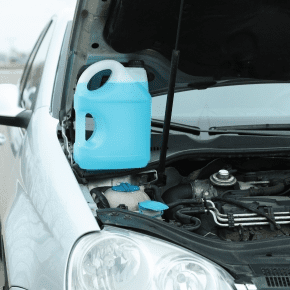
- Store antifreeze and screenwash securely and wipe up any spills straight away.
- Avoid letting pets drink from puddles or garages around Lancashire.
- Use propylene glycol–based antifreeze products, which are much less toxic.
Antifreeze poisoning in dogs and cats is a true emergency but with quick action and veterinary care from our team in Preston, many pets can recover.
Always contact us straight away if you’re in doubt and keep our emergency vet service information close by.