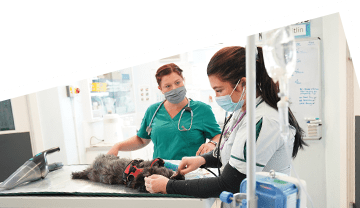
#letstalkabout #castration. Hold tight menfolk, you’re safe! We’re talking about our pet dog’s #crownjewels and whether it’s the right thing to do for your boy.
With all things in life, there are #pros and #cons with all choices so it’s important that whatever choice you make, it’s an informed one.
The main benefits of neutering (castrating) are:
🐾 Removes the risk of unwanted pregnancy and unplanned/unwanted litters and the associated costs involved.
🐾 Prevents testicular cancer.
🐾 Makes your dog less inclined to “roam” in search of females “on heat”.
🐾 Prevents non-cancerous enlargement of the prostrate (prostate disease).
🐾 Can prevent certain forms of aggressive and/or dominant behaviours.
🐾 Testosterone (hormone) disease such as tumours.
The cons of neutering can be:
🐾 The anaesthetic risk.
🐾 Unable to “father” offspring.
🐾 Can exacerbate some already present behaviour issues.
Whilst there’s always some risk from having an anaesthetic, here a #rowanvets we risk assess each patient individually to tailor the anaesthetic protocol to suit their needs, making it as safe as possible. Considerations of the risk assessment are your dog’s age, weight, breed and overall health and the presence of any other health issues.
Breeding from your dog does attract costs which owners should plan for. Just like humans, some dogs will need to have a caesarean section. This is major surgery for your dog and will cost FROM £1200 for a small dog and FROM £1600 for a large dog. There is also the cost of microchipping each puppy and providing vaccination and parasite care, not to mention finding good homes.
It’s always worth considering the cost of any health-related issues in the long term that your dog might suffer from as a result of not being neutered. Diseases such as cancer or prostate disease tend to develop over time and later in their life when the risk of anaesthetic increases.
Lastly, it’s worth bearing in mind that your dog can remain fertile for up to 6 weeks after the procedure, so you’ll still need to keep them away from any female dogs who haven’t been neutered.
On 24th March we will share an article on castration and behaviour. Testosterone has a big part to play in some dog’s character and neutering isn’t always the best option.
So what is best for your pet?
If you’d like more information about your pet specifically, why not book in for a COMPLIMENTARY consultation with one of our vets to help you decide what will work for your pet.
Contact the team via PetsApp or by calling 01772 639800 OR 01253 766352.
#rowanvets #vetsinpreston #vetsinblackpool #vetsinlytham #vetsinkirkham #vetsinwarton #vetsinfreckelton #photooftheday #instagood #nofilter #picoftheday #love #healthypets #goldstandardpetcare #pethealthplan #vetlife #spring #easter #vetcareers #einstein #neutering